
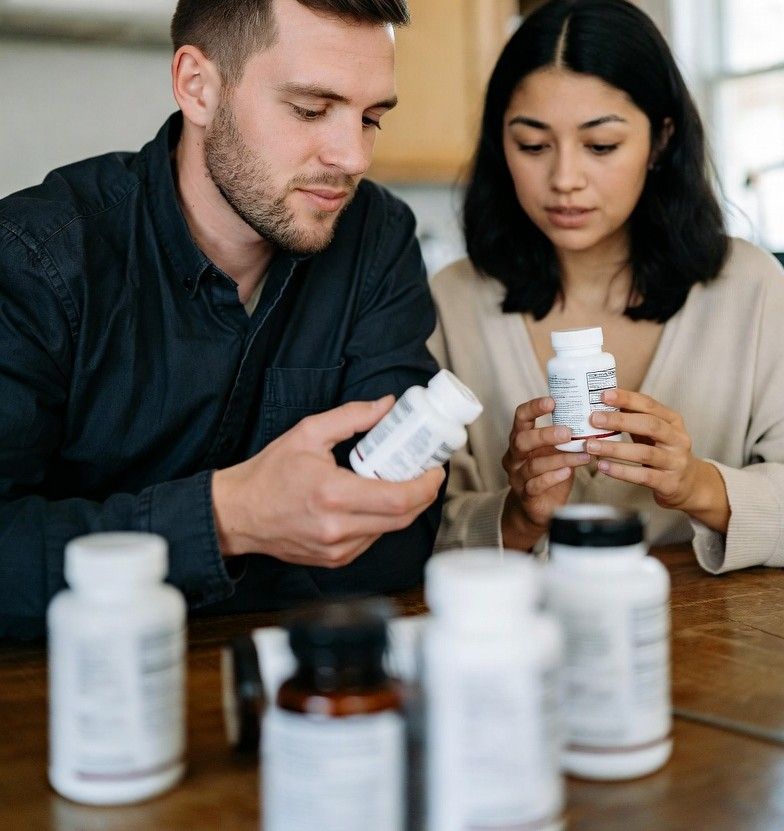
Herbal supplements seem to be everywhere these days, and many families are curious about whether they belong on a home medicine shelf. Here’s an interesting fact: according to the Council for Responsible Nutrition, more than 75 % of U.S. adults report taking at least one dietary supplement, and plant‑based ingredients are among the most popular. But just because a product is widely used, does that mean it’s safe for everyone?
One product drawing attention is Tongkat Ali. Adults sometimes talk about taking it for energy or muscle support, and you might even see ads encouraging you to Buy Tongkat Ali. Before you consider it for your family, especially for kids or teens, it’s worth understanding what this herb is and why experts urge caution for sensitive groups.
What Is Tongkat Ali?
Tongkat Ali, also known by its scientific name Eurycoma longifolia, is a plant native to Southeast Asia. Traditional uses include boosting libido and energy, and in recent years it’s been marketed in the West for similar purposes. According to Healthline, some small studies in adults have shown minor benefits to mood and stress markers, but the overall research is limited and mixed. Healthline’s review explains that evidence is still preliminary and more research is needed.
In adults, doses in research are usually between 200 and 400 milligrams per day. That’s part of why adults sometimes try it, but there’s a big difference between a short study in healthy adults and giving something to a child whose body is still changing.
Why Children and Teens Should Avoid It
It’s tempting to follow social media posts or “natural health gurus” who make big claims about supplements. But pediatric experts generally agree that children should not take herbal products unless safety is well established. The American Academy of Pediatrics points out that children metabolize substances differently than adults and are more sensitive to hormone‑active compounds. Because Tongkat Ali may influence hormone levels, there’s concern about its effects on growing bodies and developing endocrine systems. The AAP’s review on herbal supplements highlights this risk.
Research on Tongkat Ali simply does not include children, so there’s no reliable evidence about how it would impact puberty, growth, or long‑term health. Physicians caution that just because an herb has a long history of traditional use doesn’t mean it’s safe for every age group.
Why Pregnant and Breastfeeding Individuals Should Be Careful
If you are pregnant or breastfeeding, safety is even more important. According to the National Institutes of Health’s Office of Dietary Supplements, there is virtually no clinical data on the use of Tongkat Ali during pregnancy or lactation. That means scientists do not know how it might affect a developing fetus or pass into breast milk. The NIH’s fact sheet on dietary supplements emphasizes that unknown interactions are a common reason clinicians recommend avoiding non‑essential supplements during these sensitive periods.
Given these unknowns, most healthcare teams advise against using Tongkat Ali while pregnant or breastfeeding. It’s one of those cases where “we don’t know” is not reassuring when your child’s or baby’s health is involved.
Red Flags When Shopping for Supplements
When browsing supplements, it’s easy to get overwhelmed. Bright packaging and bold promises can make anything seem appealing. You may have already seen similar excitement around longevity products and wondered what NMN supplements are and how they’re marketed. what NMN supplements are and how they’re marketed offers a helpful example of how trending health products can gain popularity quickly. That’s exactly why it’s important to slow down and look past the hype before adding anything new to your family’s routine.
- Unrealistic claims: If a product promises dramatic results without evidence, be skeptical. No supplement cures all problems.
- No third‑party testing: Trustworthy products often include verification from independent labs like USP or NSF.
- High doses without explanation: More isn’t always better. Excessive amounts can be harmful.
- Long ingredient lists you can’t pronounce: Each addition makes it harder to know what you’re actually taking, and interactions with medications become more likely.
Quality control is a real issue. A 2015 study published in the Journal of the American Medical Association found that many herbal supplements contain ingredients not listed on the label or in different amounts than advertised. That’s exactly why parents should exercise caution and verify products before considering them for the family.
Talking to Your Healthcare Provider
Curious about a supplement? Start a conversation with your doctor or pediatrician. These professionals know your child’s personal health history and can help you separate evidence from hype. Ask questions like:
- Is this supplement safe for my child’s age and health?
- Could it interact with any prescribed medications?
- Are there evidence‑based alternatives if I want to support energy, mood, or sleep?
There’s no shame in asking. A thoughtful discussion can save you unnecessary worry and keep your family healthy.
Conclusion
Tongkat Ali and other herbal supplements may seem attractive as “natural” options for energy or wellbeing, but when it comes to children, pregnant, and breastfeeding individuals, safety data are scarce or nonexistent. Until more research is done, experts recommend steering clear of this herb for sensitive populations. For adults without health issues, short‑term use may be tolerated, but verify with your healthcare provider before you start. A careful conversation now can prevent a lot of uncertainty down the road.